Most discussions of health focus on strength, deficiency, or damage. We ask whether something is too high or too low, overactive or underperforming. But biology is not only about intensity — it is about timing. Every system in the body operates on cycles. Immune signals rise and fall. Stress hormones surge and resolve. Mitochondria increase output and then recalibrate. Inflammation activates and then completes. When these cycles open and close as designed, the body feels steady, predictable, and resilient. When timing drifts, however, symptoms begin to appear — not because the body is weak, but because processes last longer than they should. Signals linger. Recovery windows narrow. Activation overlaps with repair. The result is subtle desynchronization that can feel like fatigue, inflammation, stress intolerance, or unpredictable energy.
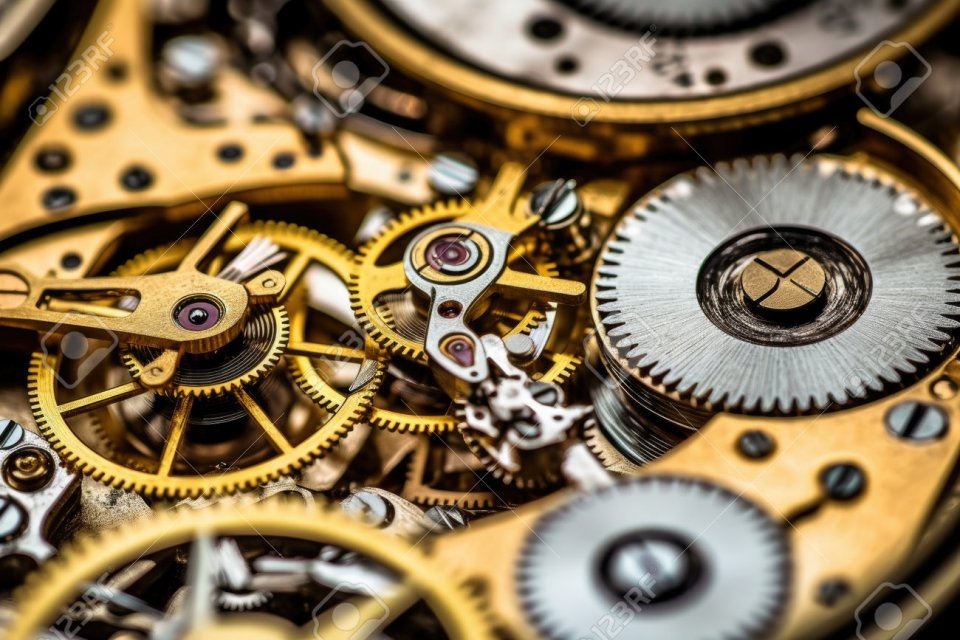
This article explores biological timing from three vantage points — the cell, the system, and lived experience — and considers how reducing upstream interference may allow the body’s natural rhythm to restore itself.
Window One: The Cell
Inside a healthy cell, timing is everything.
Signals rise and fall in sequence. Mitochondria increase output and then reduce it. Inflammatory mediators appear, perform their task, and resolve. Autophagy activates and completes. Repair pathways switch on and switch off.
Biology is rhythmic.
When timing drifts, the cell doesn’t necessarily fail. It mistimes.
A signal that should last minutes lingers for hours. A repair phase that should complete stalls midway. Oxidative chemistry that should resolve remains slightly elevated.
This is not collapse. It is desynchronization.
Persistent microbial fragments, biofilm-protected irritants, oxidative residue, and redox instability can all interfere with cellular timing. When background interference persists, cells shift into protective pacing — slower recovery, longer activation windows, delayed resolution.
Window Two: The System
Zoom out.
What looks like fatigue, inflammation, or stress intolerance at the whole-body level is often a timing issue across systems.
The immune system activates and remains slightly elevated. The autonomic nervous system mobilizes and does not fully reset. Cortisol rises and falls out of proportion. Glucose allocation lags behind demand. Oxygen gradients fluctuate irregularly.
Nothing is broken. But systems are out of sync.
The result feels like:
- energy arriving late
- sleep that starts shallow
- recovery that extends beyond the event
- mood shifts without obvious cause
- inflammation resolving more slowly than expected
Systemic rhythm matters as much as systemic strength.
Window Three: The Lived Experience
From the inside, desynchronization feels like unpredictability.
Some days are fine. Others are inexplicably heavy. Minor stress has outsized impact. Exercise builds endurance one week and drains it the next.
The body feels less reliable. This is often interpreted as fragility. But fragility is not always weakness. Sometimes it is mistimed coordination.

Where Chlorine Dioxide Is Considered in This Context
In alternative terrain-based discussions, chlorine dioxide is not framed as a timing regulator or circadian manipulator.
Its relevance is upstream.
If microbial burden declines, immune activation windows shorten.
If biofilms weaken, persistent irritant signals decrease.
If oxidative residue lowers, redox cycling stabilizes.
If inflammatory loops complete, stress chemistry resolves more cleanly.
As background interference drops, timing improves. Not because the body is forced into rhythm — but because signals no longer linger unnecessarily.
Why Timing Matters for Longevity
Aging is not only about damage. It is about duration.
When signals last longer than they should, tissues experience prolonged exposure to stress chemistry. When repair cycles stall, incomplete processes accumulate. When activation windows extend, recovery windows shrink.
Shorter cycles mean less cumulative wear. Restored rhythm reduces biological friction.
Informational Perspective
Rather than chasing stimulation or suppression, some approaches emphasize:
- reducing ongoing irritant load
- improving oxygen distribution
- stabilizing redox balance
- supporting clearance pathways
- allowing immune and stress cycles to complete naturally
As internal noise declines, biological timing often recalibrates.

Health is not only strength.
It is timing.
When signals rise and fall as designed, the body feels predictable again.
And predictability is a form of resilience.
Leave a Reply