For many years, chlorine dioxide was quietly known for one thing: Water purification. That was its lane. Municipal water systems used it. Hospitals used it. Food processing facilities used it. Emergency response teams used it. Campers and hikers carried it in their backpacks to make questionable water safer to drink. And then something unexpected happened. People began talking about what else it appeared to be doing.

What was once viewed strictly as a sanitation compound slowly entered a much larger, and far more controversial, conversation surrounding health, detoxification, microbial burden, inflammation, and chronic illness.
Today, chlorine dioxide sits in one of the strangest positions in modern wellness culture:
- praised by some as one of the most underestimated compounds ever discovered
- dismissed by others as dangerous pseudoscience
- and quietly investigated by countless individuals somewhere in the middle
For many people, the curiosity begins with a simple contradiction.
On one hand:
- chlorine dioxide is widely used to sanitize water systems
- reduce microbial contamination
- and help control dangerous organisms in public water supplies
On the other hand:
- public discussion surrounding internal use became highly controversial and emotionally charged.
This created confusion. People naturally began asking: If this compound is trusted to make contaminated water safer… why are discussions surrounding broader applications treated so differently? That question alone drove thousands of people into independent research.
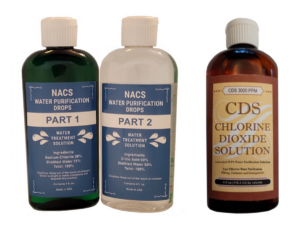
Chemically speaking, chlorine dioxide is not the same thing as household chlorine bleach, despite frequent public confusion between the two.
One of the reasons chlorine dioxide gained such strong attention in water purification is because it behaves differently from chlorine in several important ways:
- it remains effective across a wider pH range
- it produces fewer chlorinated byproducts
- it acts as a selective oxidizer
- and it is highly effective against many microorganisms in water-treatment settings.
This is what made it valuable long before wellness discussions ever emerged.
Once people began studying chlorine dioxide’s environmental sanitation role, some started asking larger questions about biological burden inside the human body. That is where the conversation exploded.
Alternative thinkers began discussing whether chronic illness might sometimes involve:
- microbial overload
- chronic inflammation
- environmental toxicity
- parasitic burden
- biofilms
- or immune dysregulation
Within those discussions, chlorine dioxide became viewed by some as a possible “terrain-support” compound rather than merely a sanitizer. This remains controversial. But the stories continued spreading.
Over time, chlorine dioxide discussions expanded far beyond water purification alone.
People began reporting anecdotal experiences involving:
- chronic infections
- fungal overgrowth
- parasite cleansing
- respiratory burden
- skin conditions
- digestive distress
- fatigue and brain fog
- inflammatory conditions
- detoxification support
The Cancer and Chronic Illness Discussions
Some of the most controversial conversations involve individuals reporting experiences related to:
- cancers
- autoimmune conditions
- chronic inflammatory illness
- and neurocognitive disorders.
These claims remain highly disputed and are not accepted clinical consensus. Yet the stories persist because many individuals involved sincerely believe they experienced meaningful improvements after conventional options had failed them.
That emotional intensity is one reason the subject refuses to disappear.
The stories themselves often follow similar patterns.
People describe:
- exhaustion with conventional approaches
- frustration after years of unresolved symptoms
- desperation to find relief
- and surprise when something inexpensive appears to produce noticeable changes
Some individuals report:
- improved energy
- reduced inflammation
- clearer thinking
- fewer cravings
- improved skin appearance
- or faster recovery patterns
Others report little or nothing at all. That variability is important.
The Detoxification and “Body Burden” Perspective
One major area of interest involves the idea of accumulated biological burden.
Many alternative practitioners speculate that modern people may be carrying increasing levels of:
- environmental toxins
- microbial imbalance
- inflammatory stress
- heavy metals
- parasitic exposure
- and oxidative overload
Within this framework, chlorine dioxide is sometimes discussed as part of broader protocols intended to:
- reduce microbial burden
- support detoxification
- and improve systemic resilience
Again, these ideas remain debated. But they continue attracting attention because they align with how many people feel in modern life: overloaded, inflamed, foggy, and exhausted.
Very few substances generate reactions as extreme as chlorine dioxide. Some people insist: “It’s incredibly dangerous.” Others insist: “It changed my life.” Reality is probably more complicated than either slogan.
The problem is that once discussions become emotional, nuance disappears. And chlorine dioxide discussions became deeply emotional during the COVID era, when competing narratives, censorship battles, public fear, and political tension collided all at once.
The most grounded approach may be neither blind acceptance nor blind dismissal.
Instead:
A thoughtful person might:
- study established water-treatment science
- examine sanitation research
- review anecdotal reports critically
- separate evidence tiers carefully
- avoid exaggerated certainty
- and remain open without becoming gullible
That balance is difficult. But it is probably the healthiest place to stand.
The Bigger Question Beneath the Debate
Perhaps the most important question chlorine dioxide raises is not even about chlorine dioxide itself. It is this:
How much of chronic illness may involve environmental and microbial burden that modern people have underestimated?
That question is far larger than any one compound. And it may partly explain why interest in chlorine dioxide continues growing despite controversy.
What began as a humble water purification compound has evolved into one of the most polarizing and fascinating conversations in alternative wellness.
Some see danger. Some see possibility. Some see exploitation. Some see hope. But one thing is undeniable: People continue researching it because they are searching for answers conventional systems have not fully provided.
And whether one ultimately embraces or rejects chlorine dioxide, the larger conversation it has opened – about toxicity, inflammation, microbes, environmental burden, and systemic health – is unlikely to disappear anytime soon.
Leave a Reply